Wood vs. Vinyl Fencing: Which Is Better for Long-Term Property Value?
Choosing the right fencing material is a strategic decision that extends beyond aesthetics. For homeowners focused on long-term property value, the debate between wood and vinyl fencing is especially relevant. Both options dominate the residential fencing market, offering distinct advantages in appearance, durability, maintenance, and overall return on investment. Understanding how each material performs over time is essential for making an informed decision that protects both curb appeal and resale potential.
In today’s competitive real estate landscape, exterior upgrades play a critical role in influencing buyer perception and appraisal outcomes. A well-installed fence enhances privacy, security, and visual appeal, while also defining property boundaries and increasing functional outdoor space. However, not all fencing materials deliver the same long-term benefits. Factors such as climate resilience, maintenance requirements, repair costs, and neighborhood standards all impact how wood or vinyl fencing contributes to sustained property value. This guide examines both materials in depth, providing clear, practical insights to help homeowners determine which option aligns best with their financial goals and long-term plans.
1. Understanding Material Characteristics and Performance
Wood Fencing: Natural Strength and Timeless Appeal
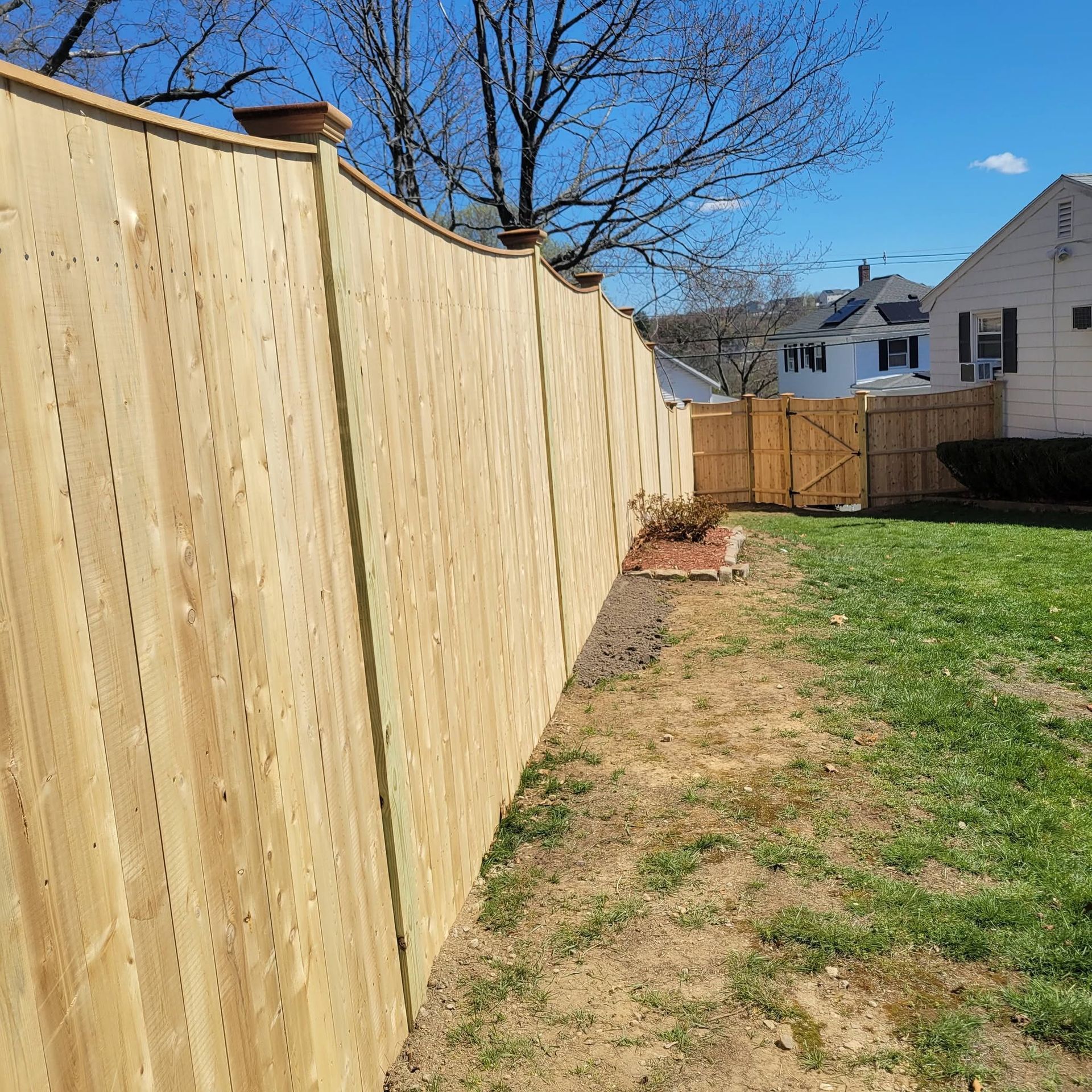
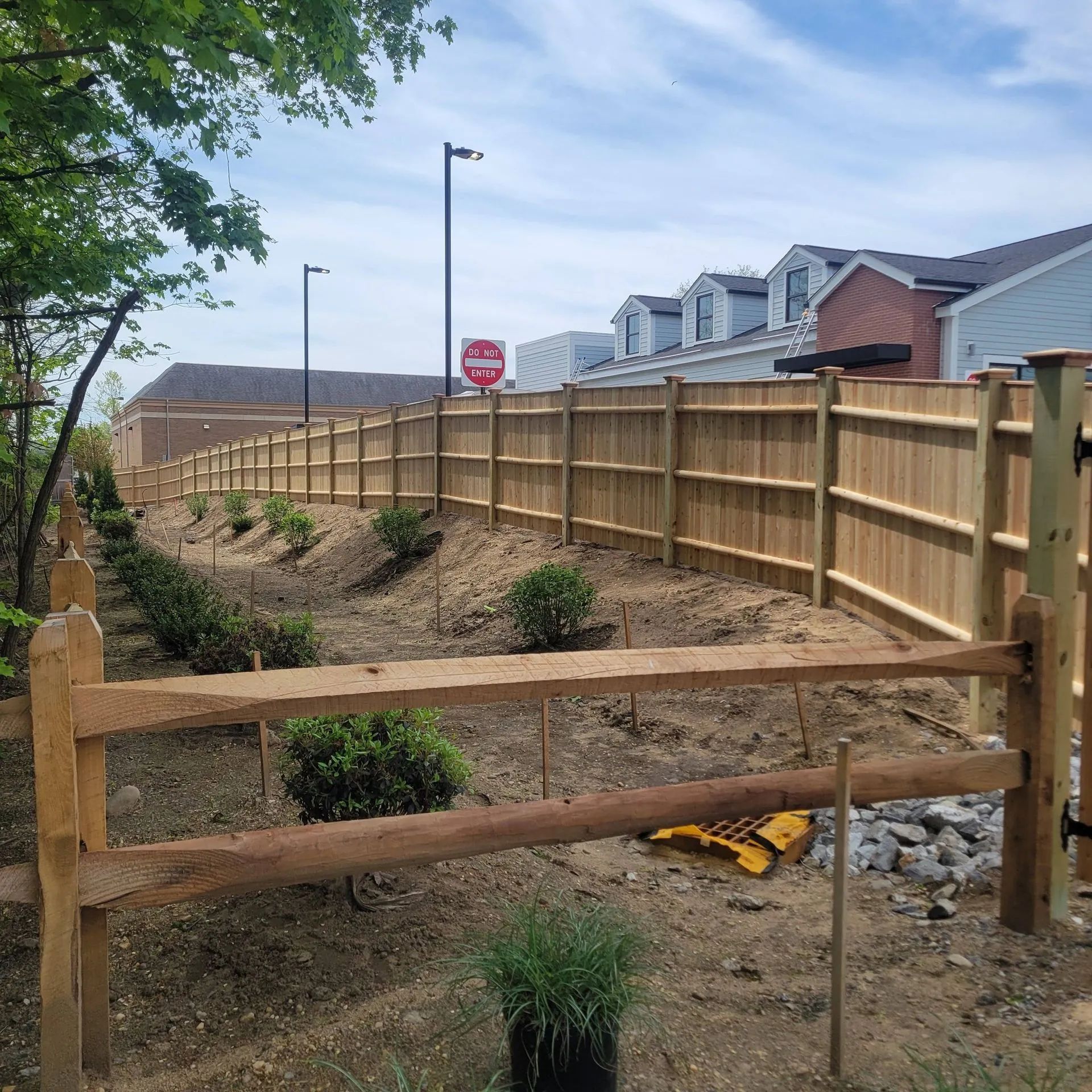
Wood fencing has long been valued for its traditional appearance and versatility. Materials such as cedar, pine, and redwood are commonly used because of their natural resistance to insects and decay. Wood offers unmatched customization. Homeowners can select from various styles including privacy panels, picket fences, shadowbox designs, and decorative lattice tops.
From a structural perspective, wood fencing provides solid durability when properly installed and maintained. Pressure-treated lumber resists rot and termites, increasing lifespan. However, wood remains a natural material, meaning it is susceptible to moisture, warping, and temperature fluctuations. Without consistent sealing or staining, exposure to rain and sun can shorten its longevity.
Despite these challenges, wood fencing remains attractive to buyers who appreciate its warmth and classic charm. In neighborhoods with historic homes or rustic aesthetics, wood often aligns better with architectural expectations, positively influencing perceived property value.
Vinyl Fencing: Engineered for Longevity
Vinyl fencing, made from PVC (polyvinyl chloride), is engineered for durability and low maintenance. It does not rot, splinter, or attract insects. Unlike wood, vinyl does not require painting or staining. Its color is integrated throughout the material, reducing visible wear over time.
Modern vinyl fencing is designed to withstand harsh weather conditions, including heavy rain, humidity, and prolonged sun exposure. High-quality vinyl includes UV inhibitors that prevent fading and brittleness. Structurally, vinyl panels often include reinforced posts for additional strength.
The clean, consistent appearance of vinyl fencing appeals to homeowners seeking a polished, low-maintenance solution. In many suburban communities, vinyl is associated with durability and long-term reliability, which can contribute positively to resale value.
2. Maintenance Costs and Long-Term Investment Impact
Ongoing Maintenance Requirements
Maintenance is a significant factor in determining long-term property value. Buyers often evaluate how much time and money a feature will require after purchase.
Wood fencing demands regular upkeep. Staining or sealing is typically recommended every two to three years. Without proper treatment, boards may crack, fade, or rot. Repairs can involve replacing individual pickets or entire sections. Over time, these recurring costs add up.
Vinyl fencing, by contrast, requires minimal maintenance. Occasional cleaning with soap and water is usually sufficient. There is no need for repainting or sealing. This low-maintenance characteristic can be highly appealing to potential buyers, especially those seeking convenience.
Cost Over Time: Installation vs. Lifecycle Expenses
Initial installation costs often favor wood fencing, which typically has a lower upfront price compared to vinyl. However, long-term financial analysis tells a different story.
Consider a 15-year timeframe. A wood fence may require multiple staining cycles, minor repairs, and possibly partial replacement due to weather damage. These cumulative expenses can approach or exceed the original installation cost.
Vinyl fencing generally has a higher initial price but fewer recurring costs. Over decades, its resistance to decay and fading often results in lower total ownership expenses. For homeowners planning to stay long term, this stability can preserve property value by maintaining a consistent, well-kept appearance without ongoing investment.
3. Curb Appeal and Market Perception
Aesthetic Flexibility and Buyer Appeal
Curb appeal significantly influences perceived property value. A fence is one of the first features buyers notice.
Wood fencing offers a natural texture and warmth that blends seamlessly with landscaping. It can be painted or stained in various shades, allowing homeowners to match exterior trim or create contrast. For properties with mature trees and gardens, wood provides a cohesive, organic look.
Vinyl fencing presents a uniform, clean finish. Available in white, tan, gray, and even wood-grain styles, vinyl complements modern and suburban homes effectively. Its consistent lines and polished appearance signal low maintenance and structural integrity.
The impact on resale value depends largely on neighborhood trends. In communities where vinyl fencing is common, installing wood may seem inconsistent with local standards. Conversely, in areas with traditional architecture, vinyl may appear less authentic.
Real Estate Appraisal Considerations
Appraisers consider condition, durability, and contribution to overall property appeal. A well-maintained fence—regardless of material—adds value by improving privacy and security.
However, a deteriorating wood fence can negatively affect appraisal outcomes. Warped boards, peeling paint, or visible rot may signal deferred maintenance. Vinyl’s resistance to visible wear can offer an advantage in maintaining strong first impressions.
Ultimately, both materials can support property value if properly installed and maintained. The key difference lies in how easily that condition can be sustained over time.
4. Climate, Durability, and Regional Suitability
Weather Resistance and Environmental Factors
Climate plays a critical role in long-term fencing performance.
In humid or coastal regions, wood is more vulnerable to moisture-related issues. Even pressure-treated lumber can experience swelling, warping, and mold growth if not properly maintained. Termites may also pose a risk in certain areas.
Vinyl fencing performs well in wet environments because it does not absorb moisture. It resists corrosion and does not rust. However, extreme cold temperatures can make lower-quality vinyl brittle, potentially leading to cracks under heavy impact.
In regions with intense sunlight, UV exposure can fade untreated wood quickly. Vinyl fencing with UV protection maintains color more consistently, reducing aesthetic decline.
Structural Longevity Expectations
On average, a properly maintained wood fence may last 15 to 20 years. High-quality cedar or redwood may extend beyond that with diligent care.
Vinyl fencing often carries manufacturer warranties of 20 to 30 years or longer. Its engineered construction supports extended service life with minimal deterioration.
For homeowners seeking predictability and reduced long-term risk, vinyl may provide a more stable return on investment. However, in moderate climates where maintenance is manageable, wood can still deliver excellent longevity.
5. Sustainability, Environmental Impact, and Buyer Values
Environmental Considerations
Sustainability is increasingly influencing property decisions. Buyers are more conscious of environmental impact and material sourcing.
Wood fencing, when sourced from responsibly managed forests, is a renewable resource. It is biodegradable and requires less energy to produce than synthetic materials. However, chemical treatments used for pressure-treated lumber may raise environmental concerns.
Vinyl fencing is manufactured from PVC, a petroleum-based product. Its production requires more energy, and it is not biodegradable. However, many manufacturers now offer recyclable vinyl options, reducing long-term waste impact.
The environmental argument can influence property value depending on buyer demographics. In eco-conscious communities, sustainably sourced wood may enhance appeal. In other markets, durability and reduced maintenance may outweigh sustainability considerations.
Balancing Sustainability and Durability
There is no one-size-fits-all answer. A homeowner focused on sustainability may choose untreated cedar with natural finishes. Another prioritizing durability may select high-quality vinyl designed for decades of use.
The key is aligning material choice with long-term buyer expectations in the local market.
6. Installation Quality and Long-Term Performance
Importance of Professional Installation
Regardless of material, installation quality directly impacts longevity and property value. Improper post depth, poor drainage planning, or substandard materials can undermine even the best fencing choice.
For wood fencing, proper sealing of posts and correct spacing prevent premature rot and warping. For vinyl fencing, reinforced posts and secure fastening systems are essential to avoid sagging or storm damage.
A professionally installed fence enhances buyer confidence. Documentation of permits, warranties, and maintenance records further strengthens resale positioning.
Best Practices for Maximizing Value
To maximize long-term property value:
- Choose materials suited to local climate.
- Match fencing style to neighborhood standards.
- Invest in professional installation.
- Maintain consistent upkeep, particularly for wood.
- Retain documentation of warranties and treatments.
For example, a homeowner planning to sell within five years might prioritize curb appeal and choose a style popular in the area. A homeowner intending to remain for decades may focus more heavily on lifecycle cost and durability.
Strategic planning ensures the fencing decision supports both current enjoyment and future financial goals.
Reliable Craftsmanship Backed by Industry Experience
Wood and vinyl fencing each offer distinct advantages for homeowners evaluating long-term property value. Wood delivers natural beauty, customization, and traditional appeal that can align strongly with certain architectural styles and neighborhood expectations. However, it requires consistent maintenance to preserve its condition and financial return. Vinyl fencing provides exceptional durability, minimal upkeep, and long-term cost stability, making it an attractive option for homeowners seeking predictability and convenience.
For homeowners seeking expert guidance, Mass Fence, LLC, a trusted Fence Contractor based in Saugus, Massachusetts, brings 10
years of industry experience delivering high-quality wood and vinyl fencing solutions. Their team evaluates property layout, local climate conditions, and neighborhood standards to recommend solutions that align with both aesthetic goals and financial objectives. By combining professional installation practices with premium materials, we help homeowners make informed decisions that protect and enhance their investment for years to come.