Stockade vs. Board-on-Board: Choosing the Right Wood Fence Style for Your Yard
Selecting the right fencing style can transform a yard from ordinary to exceptional, providing both functional benefits and aesthetic appeal. Homeowners and property managers frequently face the decision between stockade and board-on-board wood fences, two popular styles that offer privacy, security, and a natural charm. Each option has unique characteristics that affect not only appearance but also long-term maintenance, durability, and property value. Understanding these differences is essential for making an informed choice that aligns with lifestyle, design preferences, and budget considerations. Beyond aesthetics, the choice of fence impacts safety, noise reduction, and even energy efficiency by providing windbreaks or shade in certain areas. A well-chosen fence ultimately enhances the overall experience of outdoor living spaces.
Wood fences remain a top choice in the residential and commercial sectors due to their versatility, durability, and timeless appeal. With careful selection of style and materials, a wood fence can serve as both a protective barrier and a design statement. Choosing between stockade and board-on-board fencing requires careful consideration of privacy needs, climate conditions, construction techniques, and the overall visual impact on the property. Additionally, understanding the nuances of maintenance, material longevity, and installation methods can prevent costly mistakes and extend the fence’s lifespan. This guide provides an in-depth comparison, highlighting practical insights, real-world applications, and best practices to ensure the right fencing solution is selected for any yard, enhancing both functionality and curb appeal.
Understanding Stockade Fencing
Overview of Stockade Fencing
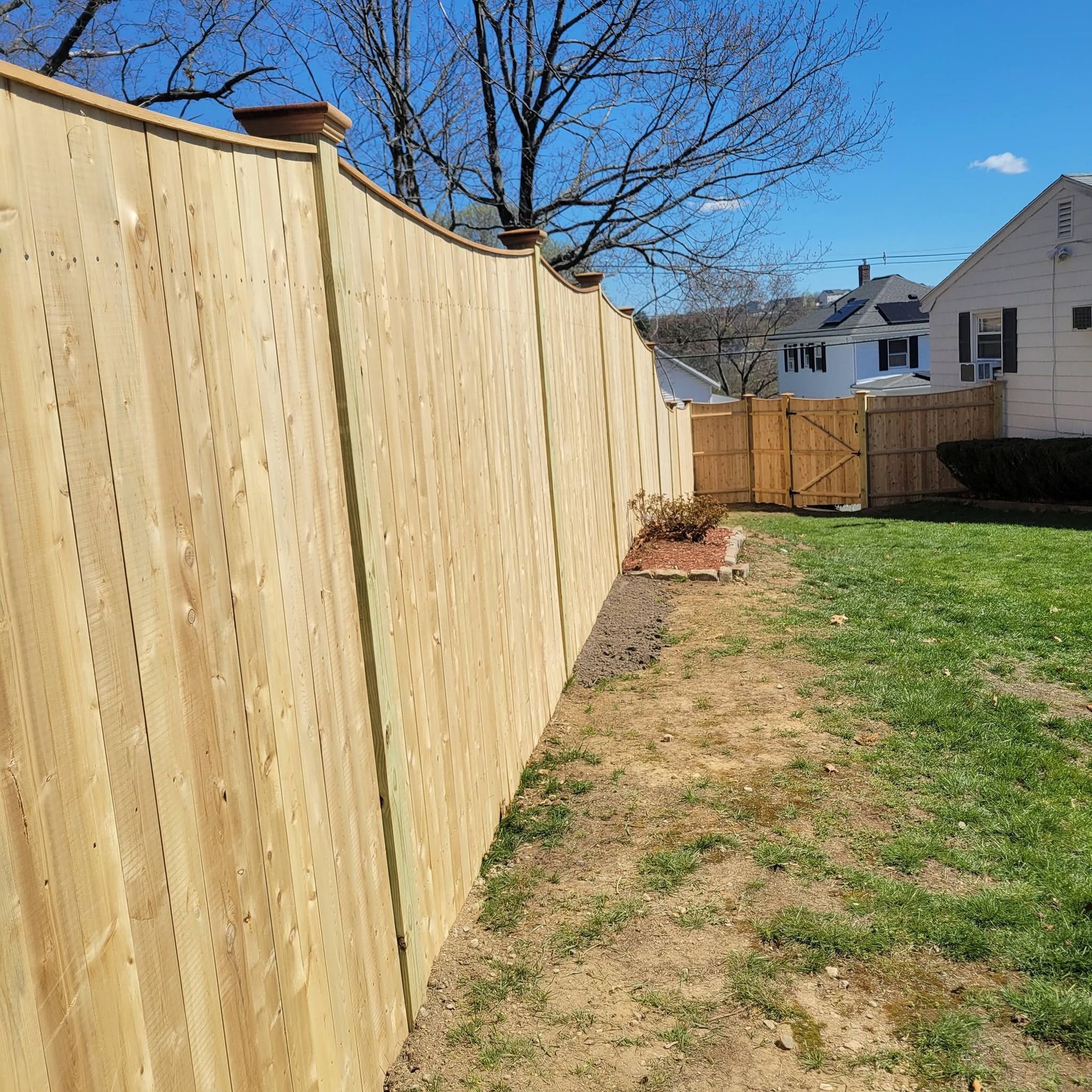
Stockade fencing is a classic wood fence style characterized by uniform, flat-top pickets installed side by side, leaving minimal gaps. Its design provides a solid visual barrier, making it ideal for homeowners seeking maximum privacy and security. Typically constructed from durable woods such as cedar or pressure-treated pine, stockade fences withstand harsh weather while maintaining structural integrity over time.
Benefits of Stockade Fencing
- Privacy and Security: The tightly spaced pickets create a solid barrier, preventing passersby from seeing into the yard.
- Cost-Effectiveness: Stockade fences often have a straightforward construction process, which can reduce labor costs compared to more intricate designs.
- Quick Installation: The uniform nature of pickets simplifies installation, making it a practical choice for large properties requiring timely completion.
Considerations and Challenges
While stockade fencing offers excellent privacy, the design has some limitations. Its flat surface exposes the wood to wind and rain, which may increase the potential for warping or rot over time. Regular maintenance, including staining or sealing, is necessary to preserve its appearance and structural integrity. Additionally, the style can appear monotonous or rigid, which may not suit all landscaping aesthetics.
Real-World Applications
Stockade fencing is particularly effective for suburban backyards where security and privacy are top priorities. It is also suitable for properties adjacent to busy streets or commercial zones, where a solid barrier reduces noise and visual distractions. Homeowners seeking a traditional, low-maintenance fence often find stockade fencing meets both functional and aesthetic needs.
Exploring Board-on-Board Fencing
Overview of Board-on-Board Fencing
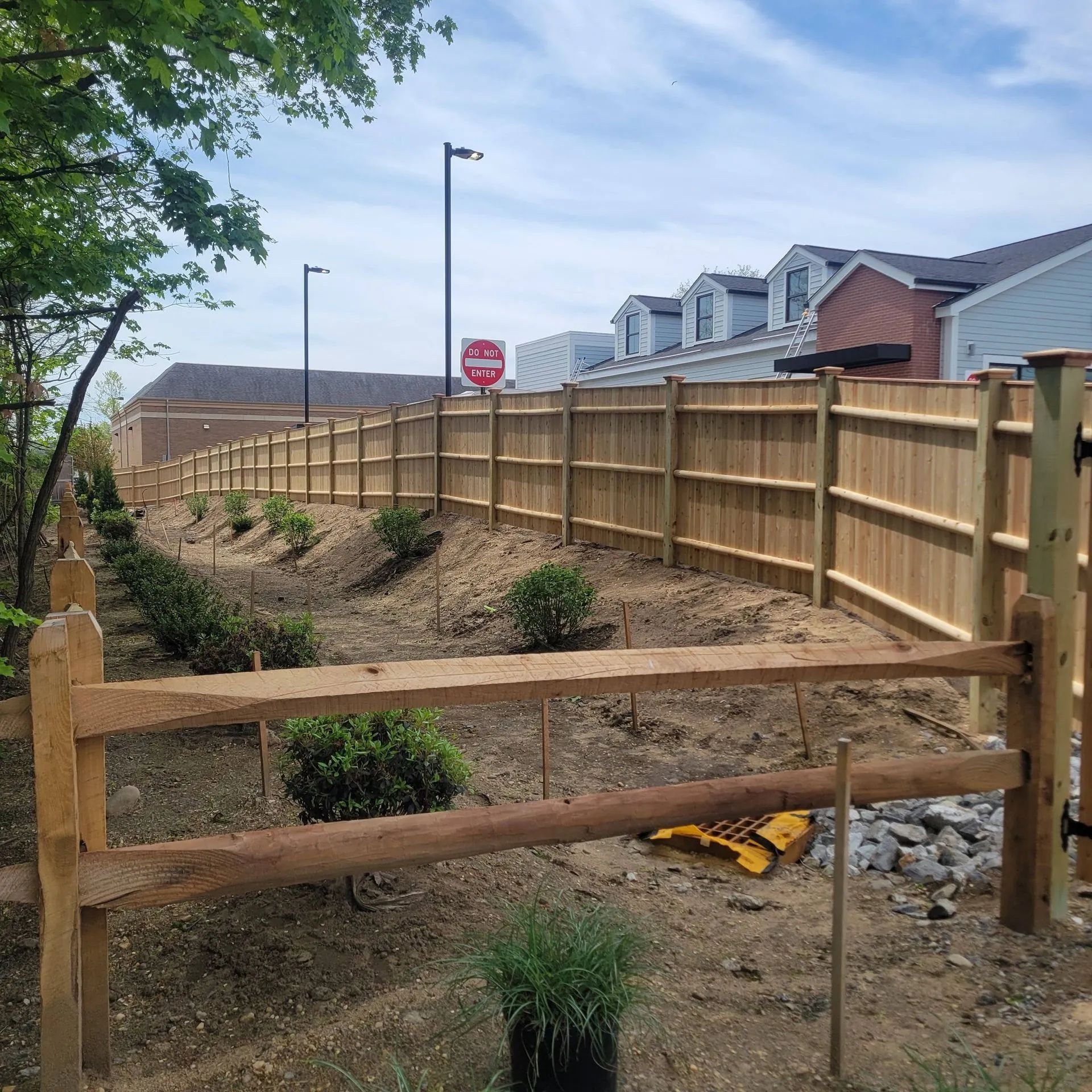
Board-on-board fencing, sometimes called shadowbox fencing, is a style where overlapping wooden boards are alternately installed on either side of horizontal rails. This design creates a subtle, layered effect, allowing limited visibility while still maintaining privacy. The aesthetic of board-on-board fencing is often considered more visually appealing and dynamic than the uniform stockade style.
Benefits of Board-on-Board Fencing
- Visual Appeal: The alternating design creates depth and texture, enhancing curb appeal and complementing landscaping.
- Durability: The overlapping structure provides additional support against wind pressure, reducing stress on individual boards.
- Balanced Privacy: While offering privacy, the small gaps allow air to circulate, reducing wind resistance and extending the life of the fence.
Considerations and Challenges
The installation of board-on-board fencing is more complex, often requiring precise measurements and skilled labor. This can increase initial costs compared to stockade fencing. Additionally, maintaining consistent alignment during construction is crucial to achieve the intended aesthetic effect. Like all wood fences, regular sealing or staining is necessary to protect against moisture and insect damage.
Real-World Applications
Board-on-board fencing works well for properties where design and aesthetics are as important as privacy. Residential neighborhoods with landscaped yards, gardens, or decorative features benefit from the shadowbox effect, which complements exterior architecture. This style is also suitable for homeowners who want a modernized wood fence that avoids a completely solid barrier while still providing security.
Comparing Stockade and Board-on-Board Fences
Privacy and Security
Stockade fences excel in delivering absolute privacy, with tightly aligned pickets that prevent any outside visibility. Board-on-board fences, while still private, offer partial transparency through narrow gaps, which can be advantageous for airflow but slightly reduces visual seclusion.
Scenario Example: A home located near a busy road may benefit from a stockade fence to block noise and visibility completely, whereas a garden-focused backyard might prefer board-on-board fencing to maintain visual openness and aesthetic charm.
Aesthetic Impact
Stockade fencing tends to produce a traditional, uniform look that blends seamlessly with classic home designs. Board-on-board fencing adds dimension and texture, creating a more visually interesting boundary. Homeowners interested in enhancing curb appeal often lean toward board-on-board for its design versatility.
Durability and Maintenance
Both fence types require maintenance, but the construction style influences longevity. Stockade fencing exposes flat surfaces to elements, requiring consistent care to prevent water damage and warping. Board-on-board fencing allows air to circulate between boards, reducing moisture accumulation and extending the lifespan. Proper installation, wood selection, and protective treatments are critical for maximizing durability.
Cost Considerations
Stockade fences generally involve lower initial installation costs due to simpler construction. Board-on-board fences, with their alternating design, often require additional labor and materials, increasing upfront investment. However, the enhanced aesthetics and durability can justify the higher cost for homeowners prioritizing long-term value.
Best Practices for Choosing the Right Wood Fence
Assessing Property Needs
Evaluate the purpose of the fence: is privacy, security, aesthetics, or a combination of factors the primary goal? Consider yard size, local climate, and proximity to neighbors or streets. Proper assessment ensures the selected style aligns with functional and visual requirements.
Wood Selection and Treatment
Cedar, redwood, and pressure-treated pine are common choices, each offering distinct advantages in durability, appearance, and resistance to decay. Applying sealants or stains regularly protects wood from moisture, UV damage, and insects, extending the life of any fence style.
Professional Installation vs. DIY
While stockade fences may be easier for DIY projects, board-on-board fences often benefit from professional installation to ensure proper alignment and structural integrity. Professional contractors can also provide guidance on spacing, materials, and finishing techniques to achieve the desired outcome.
Incorporating Landscaping
Integrating fencing with landscaping can enhance the overall appeal. For stockade fences, consider adding climbing plants or shrubbery to soften the rigid lines. For board-on-board fences, using gardens or decorative features can complement the layered design, creating a cohesive yard aesthetic.
Addressing Common Challenges
Weather and Environmental Factors
Exposure to extreme weather, humidity, or heavy rainfall can affect wood fences over time. Stockade fences may experience surface warping, while board-on-board fences can benefit from airflow but still require protective treatments. Selecting weather-resistant wood and maintaining finishes is essential.
Longevity and Repair
Both fence types may require occasional repairs, such as replacing broken boards or reinforcing posts. Board-on-board fences allow easier replacement of individual boards without disrupting the entire structure, while stockade fences may require more extensive work to maintain uniformity.
Pest and Moisture Management
Wood fences are vulnerable to termites, carpenter ants, and rot. Preventive treatments, proper spacing from soil, and regular inspections reduce potential damage. Choosing naturally resistant woods like cedar or redwood further minimizes risk.
Expert Tips for Maximizing Fence Value
Regular Maintenance Schedule
Implement a routine inspection and maintenance schedule, including cleaning, staining, and repairing boards. Timely attention prevents minor issues from escalating into costly repairs.
Customization Options
Consider customizing height, finish, and decorative elements to align with property style. Adding post caps, lattice panels, or integrated lighting can enhance both functionality and appearance.
Professional Consultation
Consulting with experienced fencing professionals ensures optimal material selection, installation techniques, and maintenance strategies. Expert guidance minimizes errors and maximizes fence performance.
Reliable Installation Practices Backed By Decade Experience
Choosing between stockade and board-on-board fencing requires careful evaluation of privacy needs, aesthetic goals, environmental conditions, and budget considerations. Both styles offer distinct advantages, from solid visual barriers to layered designs that enhance yard appeal. Understanding the nuances of each style, including installation complexity, maintenance requirements, and long-term durability, ensures informed decisions that benefit both property function and appearance. Real-world scenarios demonstrate that no single style fits all needs, emphasizing the importance of context in fence selection.
For residents of Saugus, Massachusetts, and surrounding areas seeking professional guidance, Mass Fence, LLC
offers over 10
years of experience in designing and installing
high-quality wood fences. We provide tailored solutions, recommending the ideal fencing style based on property characteristics, functional requirements, and aesthetic preferences. With a commitment to precision, craftsmanship, and customer satisfaction, we ensure every project delivers lasting value and beauty. From stockade fences providing maximum privacy to board-on-board installations enhancing visual appeal, our expertise ensures the perfect fit for every yard. Entrust fence projects to a professional with proven experience and local insight to transform outdoor spaces into secure, attractive, and enduring assets.