Galvanized vs. Black Vinyl-Coated Chain Link: Which to Pick
Quick Answer: Galvanized chain link is bare steel dipped or coated in zinc — it's the most affordable option, built for pure function, and shows a silvery, industrial finish. Black vinyl-coated chain link starts with the same galvanized steel core, then adds a layer of black (or occasionally green) PVC over the wire, which improves rust resistance, softens the look against landscaping, and typically adds 20-35% to the material cost. For a backyard, side-yard, or any fence people will actually see, black vinyl-coated is usually the better long-term pick. For a back-lot boundary, a construction perimeter, or a strictly budget-driven job, galvanized still gets the job done. If your fence sits within view of the street, the coated option almost always pays for itself in curb appeal and lifespan.
Drive down almost any street in Saugus and you'll spot both kinds of chain link within a few blocks of each other — one fence bright and silver, catching the light off Route 1, the next one nearly disappearing into a hedge line because it's coated black. Neither one is wrong. They're just built for different jobs, and after ten years of installing fence across the North Shore, we've found that most homeowners haven't been told the actual difference before they're asked to pick one off a price sheet.
Salt air off the coast, freeze-thaw cycles every winter, and road salt splashing up from Route 1 or the Lynnway all take a toll on exposed steel. That's exactly the kind of environment where the choice between galvanized and vinyl-coated stops being cosmetic and starts affecting how long the fence actually lasts. Here's what goes into each one, and how to figure out which belongs on your property.
What Galvanized Chain Link Actually Is
Galvanized chain link starts as steel wire that gets coated in zinc, either by hot-dip galvanizing or a lighter electro-galvanized process. The zinc layer acts as a sacrificial barrier — it corrodes before the steel underneath does, which is what gives galvanized fencing its rust resistance in the first place.
The finish
Fresh galvanized fencing has that familiar bright silver-gray shine. Over the years, it dulls to a flatter gray as the zinc layer weathers, which is a normal part of how the coating protects the steel underneath.
The strength
Because there's no added coating layer, galvanized wire tends to run slightly heavier gauge for the same job, and the mesh itself has a stiffer, more rigid feel at the fence line.
The cost
Galvanized is the baseline price point for chain link. It's the option most commonly specified for commercial lots, dog kennels, construction sites, and any fence where budget and function matter more than how it looks from the street.
What Black Vinyl-Coated Chain Link Adds
Vinyl-coated chain link isn't a different core material — it's galvanized steel with an additional layer of PVC bonded over the wire, almost always in black, though green and brown show up occasionally on residential jobs.
The extra protection
The vinyl coating covers the galvanized layer, so the zinc underneath is shielded from direct exposure to moisture, salt, and UV. In practice, that means the steel core takes longer to show wear, especially in coastal towns where salt air is a constant.
The look
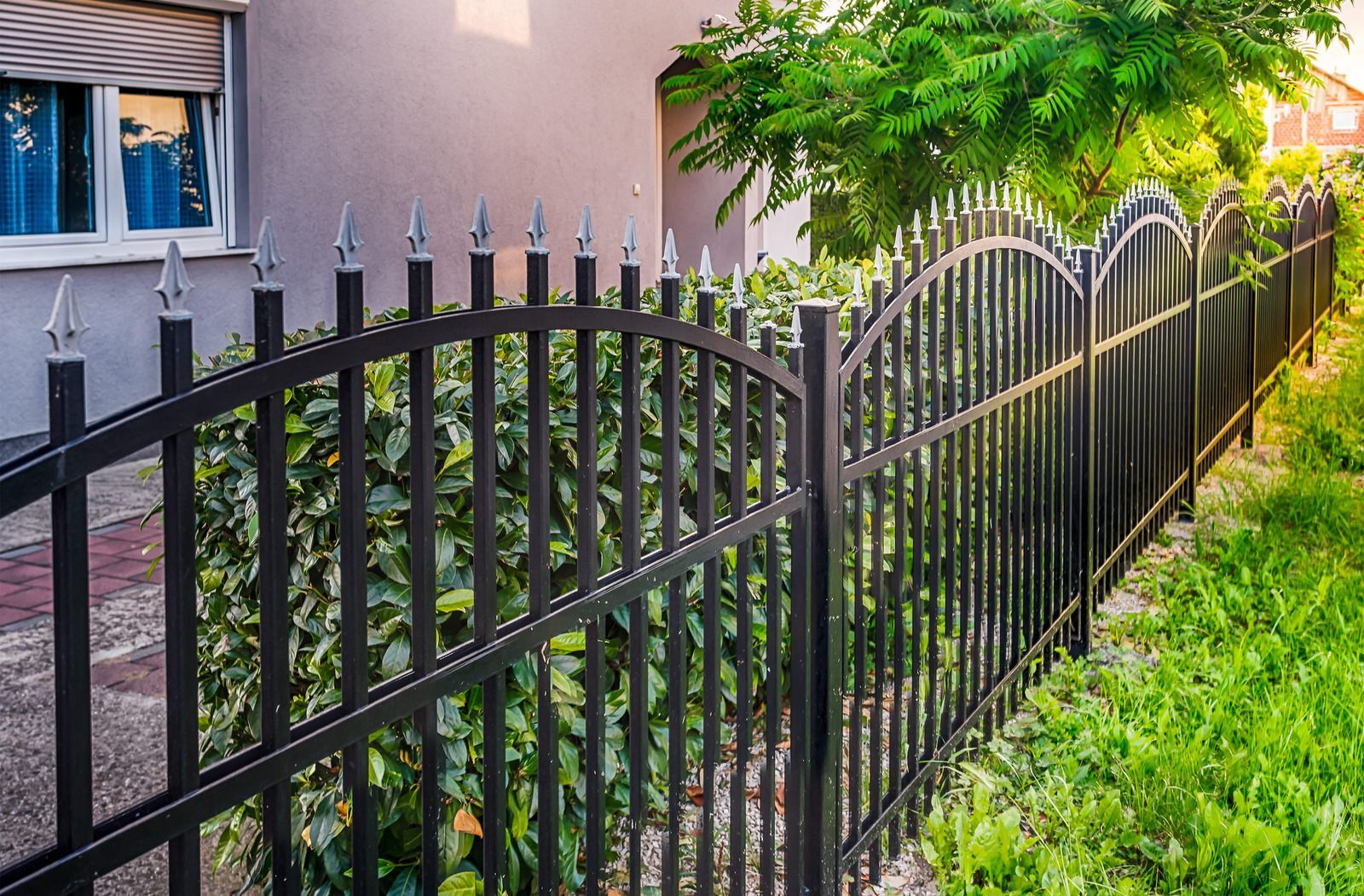
Black chain link reads less industrial than silver galvanized. Against grass, shrubs, or a wood-toned deck, it tends to visually recede rather than stand out, which is why it's become the default pick for backyard pool enclosures, front-yard boundaries, and anywhere a fence needs to blend in rather than announce itself.
The feel
The vinyl coating adds a slightly smoother, less abrasive texture to the wire — a small detail, but one homeowners with kids or pets tend to notice.
The cost
Vinyl-coated material runs higher than galvanized, generally somewhere in the 20-35% range depending on gauge and coating thickness, though the gap narrows on smaller residential jobs where labor makes up more of the total quote.
How Each One Holds Up in a Massachusetts Climate
This is where the decision actually matters most for homeowners in Saugus and the surrounding towns. New England throws a specific combination of conditions at a fence: humid summers, salted roads all winter, coastal air along the North Shore, and repeated freeze-thaw cycles that stress any exposed metal seam.
Galvanized in this climate
A properly hot-dip galvanized fence holds up reasonably well, but the zinc layer is still exposed directly to salt air and road spray. Over 15-20 years, especially on properties closer to the coast or main roads, it's common to see surface rust start at cut ends, welds, or spots where the coating was thinner to begin with.
Vinyl-coated in this climate
The added PVC layer buys meaningful extra protection against that same salt and moisture exposure. It's not immune to damage — a deep scratch or gouge that exposes the galvanized layer underneath can still let corrosion start at that specific point — but overall, coated fencing tends to outlast bare galvanized by several years in coastal New England conditions, particularly on fences within a mile or two of the water.
Warning:
A scratch or gouge in vinyl coating isn't just cosmetic near the coast. Once the PVC layer is breached, that exact spot loses the extra protection it was added for, and salt-laden moisture can work into the break faster than it would on an unbroken galvanized surface. If a coated fence takes a hit — from a mower, a plow, a fallen branch — it's worth having it looked at rather than assuming the zinc underneath will hold on its own.
Cost and Longevity, Side by Side
Chain link is priced by the linear foot, and the gap between galvanized and vinyl-coated shows up clearly on a typical residential quote.
Galvanized chain link generally costs less upfront, both in material and, sometimes, in labor if a lighter gauge is being installed. It typically lasts 15-20 years in a New England climate before rust and wear become noticeable enough to warrant replacement, sometimes longer with lighter coastal exposure or regular upkeep.
Black vinyl-coated chain link costs more upfront but tends to stretch that lifespan out further — often 20-25 years or more before the coating and core show significant wear, assuming no major impact damage along the way.
Run the numbers over two decades and the gap narrows. A galvanized fence installed today might need replacement a few years before a comparable vinyl-coated fence installed at the same time, which can offset — or even erase — the upfront savings once labor for a future replacement is factored in.
Which One Fits Your Property
A few questions tend to settle the decision quickly:
- Will people see this fence regularly?
Front yards, pool areas, and anywhere visible from the street usually lean toward black vinyl-coated for the finished look.
- Is this fence purely functional?
Back-lot boundaries, dog runs behind a garage, or temporary construction perimeters are reasonable places to save with galvanized.
- How close is the property to the coast or a heavily salted road?
Closer proximity tips the scale toward vinyl-coated for the added corrosion resistance.
- What's the budget for this specific project?
If galvanized is the difference between fencing the yard this season or waiting another year, it's still a solid, functional choice — it just won't look or last quite as long as the coated version.
- Are pets or kids using this fence line often?
The smoother vinyl coating is a minor but real consideration for anyone who'll be near the fence regularly.
Tip: Gauge matters as much as coating type. A heavier-gauge galvanized fence can outlast a thin, lower-grade vinyl-coated fence, so it's worth asking about wire gauge specifically rather than assuming "coated" automatically means "better built." A reputable installer should be able to tell you the gauge and coating thickness before the job starts, not just the color.
Making the Call
Neither option is the wrong answer — they're built for different priorities. Galvanized chain link is the practical, budget-conscious choice that still holds up for well over a decade, especially away from direct coastal exposure. Black vinyl-coated chain link costs more going in but tends to look better, feel better at the fence line, and resist the salt and moisture that Massachusetts winters and North Shore air throw at exposed metal year after year. For most homeowners fencing a yard people will actually see, the coated option is worth the extra cost. For strictly functional or budget-driven jobs, galvanized remains a dependable, proven choice.
Frequently Asked Questions
Is black vinyl-coated chain link stronger than galvanized?
Not inherently — the steel core is the same galvanized wire in both cases. The vinyl coating adds corrosion resistance and a smoother feel, not additional structural strength. Strength comes down to wire gauge, not coating type.
Does vinyl-coated chain link rust?
The steel underneath can still rust if the coating is cut, scratched, or gouged deeply enough to expose the galvanized layer. An intact coating, though, meaningfully slows the corrosion that bare galvanized wire is exposed to directly.
How much more does black vinyl-coated chain link cost than galvanized?
Material costs typically run about 20-35% higher for vinyl-coated, though the gap can narrow on smaller residential projects where installation labor makes up a larger share of the total price.
Which lasts longer in a Massachusetts climate — galvanized or vinyl-coated?
Vinyl-coated fencing generally outlasts galvanized in coastal or heavily salted areas, often by several years, because the PVC layer shields the zinc coating from direct salt and moisture exposure.
Can galvanized chain link be coated with vinyl later?
Not as a standard field retrofit — vinyl coating is applied to the wire during manufacturing, not after installation. If a coated look is wanted later, that typically means replacing the fabric rather than adding a coating on-site.
Does chain link color affect privacy or how visible the fence is?
Black chain link tends to visually recede against grass, trees, and landscaping more than silver galvanized does, which is why it's the more common choice for front yards and pool enclosures, even though neither option blocks sightlines the way a privacy fence does.
Get the Right Fence for Your Property
Whether it's a galvanized fence for a straightforward boundary line or a black vinyl-coated fence for a yard that needs to look as good as it functions, Mass Fence, LLC
has installed both across Saugus, Massachusetts for over 10
years. We'll walk your property, talk through gauge, coating, and budget, and help you land on the fence that actually fits your yard — not just the cheapest line on a quote. Reach out to us for a free estimate and get your project scheduled.