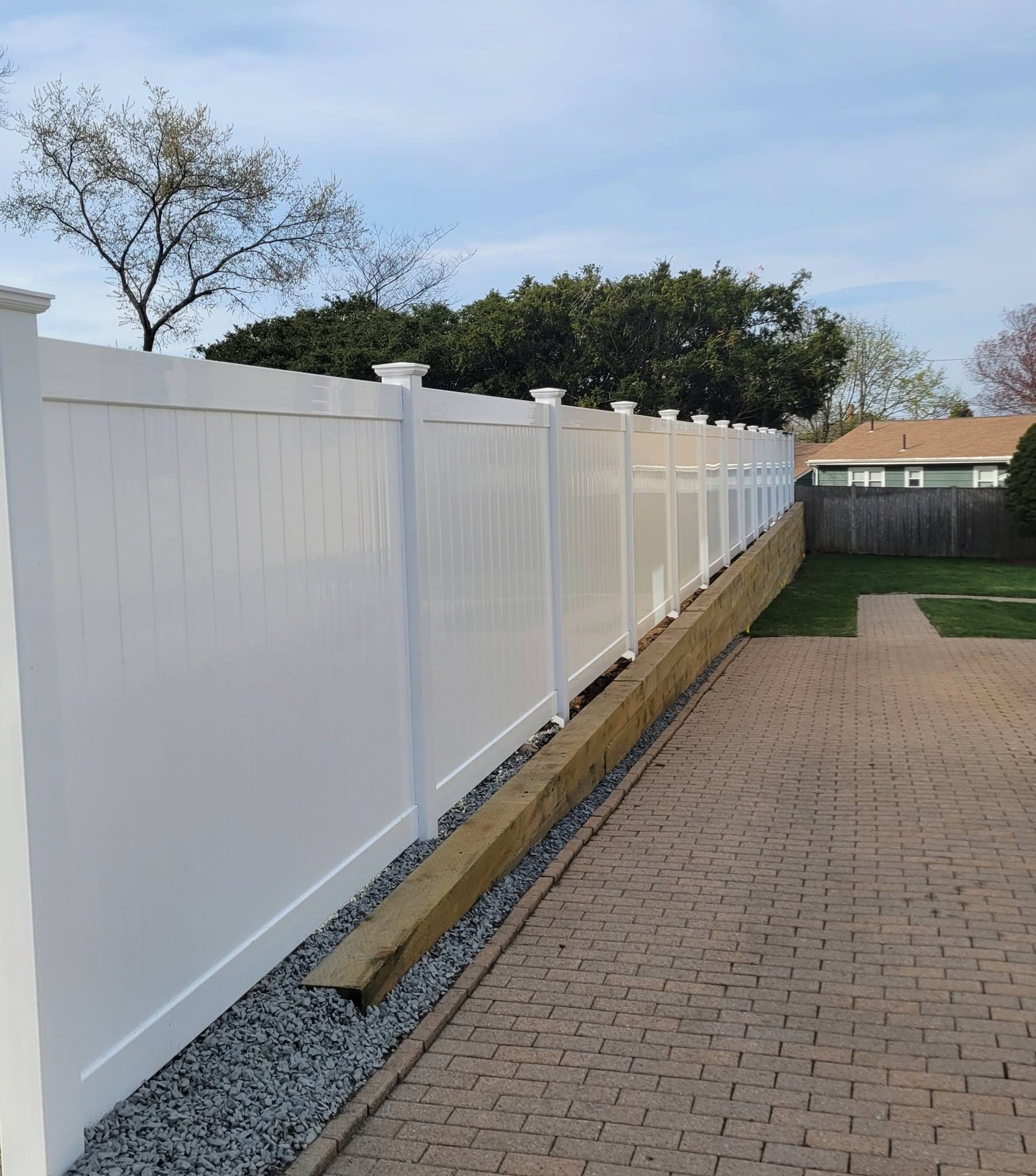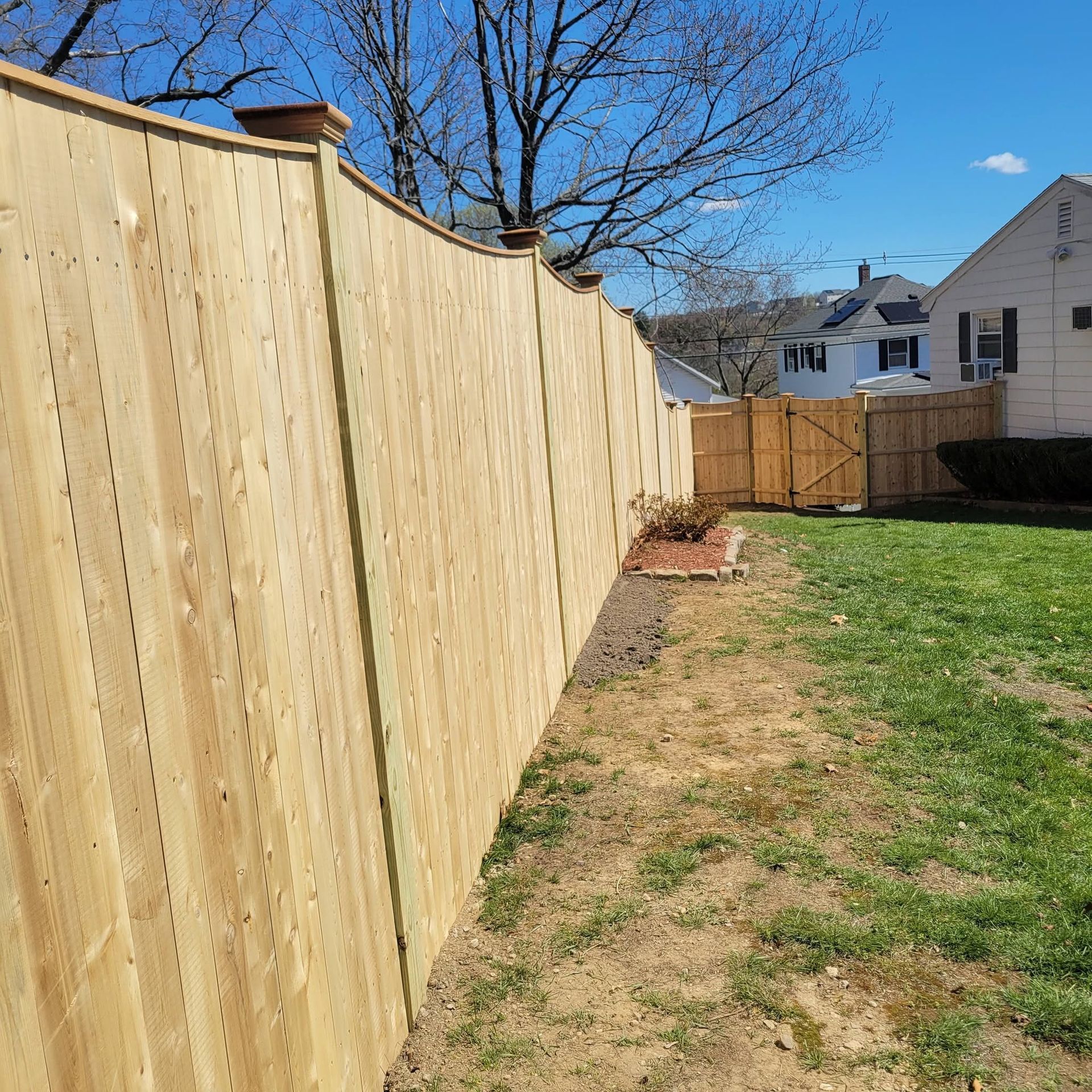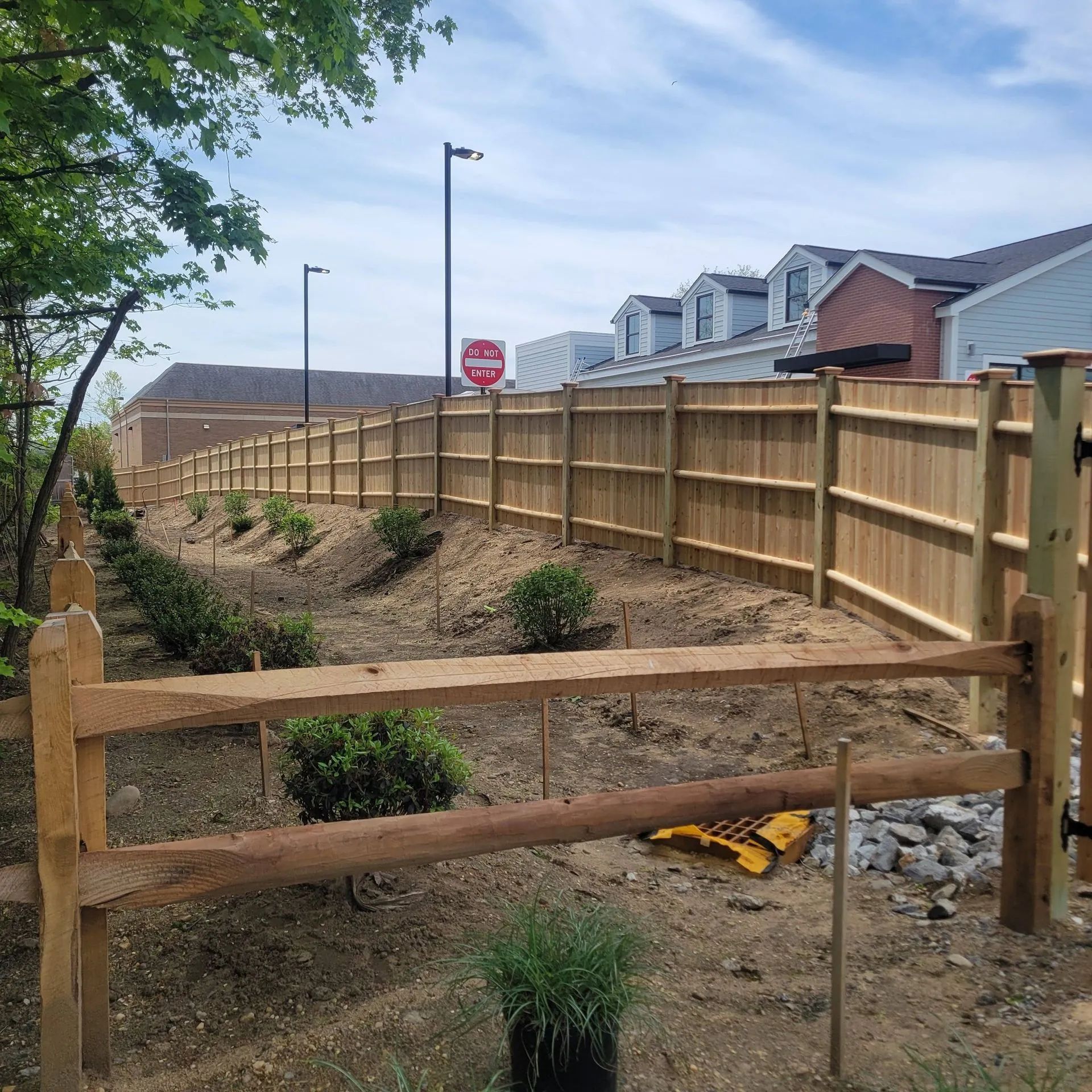
Will a Vinyl Fence Crack in a Harsh Winter? What to Know
Quick Answer: A quality vinyl fence that was installed correctly will not crack from cold alone. PVC does get stiffer and less forgiving as temperatures drop, so the real risk in a harsh winter is a sharp impact, such as a plow blade, a falling limb, a hard shovel strike, or a heavy snow bank pushed against the panels. Cracks that do appear almost always start at a stress point, like a cut end, a tight screw hole, a corner, or a post that frost heave has pushed out of line. Thin walled, lower grade vinyl is far more likely to split than a heavier, impact modified profile. Choosing the right material, setting posts below the frost line, leaving room for the rails to move, and keeping snow and ice off the panels gives vinyl a long, quiet life through New England winters.
It is a January morning on the North Shore, the thermometer says eight degrees, and the town plow has just come down your street. When it passes, a bank of heavy, wet snow is stacked against the front panels of your white vinyl fence. Later, while you chip at the ice by the gate, you hear a sharp tick from the fence and wonder if something just gave way.
That worry is more common than most fence owners admit. Vinyl is sold as a material that shrugs off weather, and then the first deep freeze arrives and the plastic looks and sounds different. The panels feel stiffer. The gate latch clacks harder. A neighbor mentions that their fence cracked in a cold snap and you start looking for lines in your own.
The honest answer sits between the two extremes. Vinyl does change in cold weather, and it can crack under the wrong conditions, but cold by itself is rarely the cause. Once you understand what the material is doing at low temperatures and where a fence is actually vulnerable, you can tell the difference between normal winter behavior and a real warning sign.
Why Waiting Matters More Than Most Homeowners Expect
Vinyl fencing is made from PVC, short for polyvinyl chloride. It is a rigid plastic that holds its shape well, but like most plastics it responds to temperature. As the air gets colder, PVC becomes stiffer and less flexible. In warm weather a panel can flex a little under a bump or a gust of wind and then settle back. At very low temperatures that same panel takes the force differently, because it has less ability to bend and absorb the energy.
Stiffer, Not Weaker
Cold temperatures make vinyl more rigid, reducing flexibility. Undisturbed fence panels generally experience no special stress from temperature alone.
Impact Is The Real Test
Winter damage usually results from sudden impacts. Snowplows, falling branches, shovels, snowblowers, and sliding vehicles can crack cold vinyl.
Contraction Pulls On Everything
Vinyl contracts in cold weather and expands when temperatures rise. Proper installation allows movement, while tight fittings create damaging stress.
Cold Does Not Cause Rot, Rust, Or Swelling
Unlike wood, vinyl resists moisture absorption, swelling, and rot. Unlike metal, it resists corrosion, making it suitable for cold climates.
Tip: Vinyl is at its most brittle on the coldest mornings, usually in the hours just after sunrise on a clear, calm winter day. If you need to clear snow or ice near the fence, wait until the sun has warmed the panels a little, and use a soft push broom instead of a shovel.
Where Cracks in a Vinyl Fence Actually Start
A crack does not appear at random along a smooth panel. It begins at a point where stress gathers, and those points are predictable. Walking your fence line with this list in mind will tell you far more than a general look at the whole thing.
Cut Ends And Notches
Rough cuts, notches, and sharp inside corners create weak points where cracks can begin. Clean cuts and properly fitted connections reduce splitting risks.
Screw And Fastener Holes
Overtightened screws, undersized drilled holes, and restricted panel movement concentrate stress around fasteners. These conditions can create hairline cracks during repeated winter temperature changes.
Corners And Gate Openings
Corner and gate posts handle greater stress from rail tension, gate movement, and slamming latches. Sagging gates increase pressure on hinges and mounting points.
Rails That Carry The Snow
Heavy snow and ice loads strain top and bottom rails. Hollow vinyl rails may bend under prolonged weight, eventually developing lengthwise cracks.
Posts That Have Moved
Frost heave can tilt or raise posts, pulling connected panels out of alignment. Binding rails flex abnormally, increasing the likelihood of cracking.
Old Damage That The Cold Exposes
Summer impacts from mowers, trimmers, or balls can create hidden flaws. Winter stiffness may expose existing damage, making older cracks suddenly visible.
Material Quality Is the Biggest Variable
Not every vinyl fence is the same product, and the differences show up in January. When people say a vinyl fence cracked in the cold, they are very often describing a lower grade profile that was never well suited to this climate.
Wall Thickness
Thicker vinyl walls resist bending and impacts better than thinner ones. Compare rail cut ends or post interiors to assess wall thickness and overall durability.
Impact Modifiers And Stabilizers
Quality vinyl contains additives that improve cold-weather impact resistance and protect against ultraviolet damage. These stabilizers help prevent brittleness as fencing ages through repeated sun exposure.
Reinforcement Inside The Rails
Aluminum reinforcement inside bottom and sometimes top rails reduces sagging and supports heavy snow loads. Without reinforcement, the vinyl itself must withstand the entire load.
Post Size And Fill
Post dimensions, rigidity, and anchoring determine how forces travel through the fence. Properly installed, sturdy posts keep panels aligned and reduce unnecessary stress on vinyl components.
Age And Sun Exposure
Years of direct sunlight can gradually reduce vinyl's impact toughness. Older fences exposed to intense sun may become more vulnerable to cracking during sudden winter impacts.
Most reputable sources describe quality vinyl fencing as lasting twenty to thirty years when it is properly installed and maintained. A fence that cracks in its first few winters is usually pointing at one of the issues above, most often a lower grade profile, an installation detail, or an outside impact.
Installation Details That Keep a Vinyl Fence From Cracking
A good material can still be undermined by the way it goes into the ground. This is where the work of a careful installer shows, and it is one of the reasons two fences of the same product can behave very differently after the same winter.
Posts Set Below The Frost Line
Soil freezes and expands during winter, potentially lifting shallow posts through frost heave. Properly installed, deeper posts remain stable, keeping panels aligned and reducing stress on vinyl.
Concrete And Drainage At The Base
Water collecting around posts can freeze and push against them. Proper drainage, gravel where appropriate, and concrete shaped to shed water help prevent movement during repeated freezing cycles.
Room For The Rails To Move
Rails need slight lengthwise movement as temperatures change. Installers should leave deliberate clearance inside pockets or brackets, allowing vinyl to contract and expand without accumulating damaging internal pressure.
Fasteners That Are Snug, Not Crushed
Screws should secure vinyl without restricting movement. Predrilled, correctly sized holes and suitable fasteners help prevent excessive pressure and reduce hairline cracks forming around screw points.
Level, Plumb, And Well Supported Gates
Properly aligned gates reduce winter stress around hinges and latches. Strong hinges, solid framing, and stable posts prevent sagging, repeated strain, and eventual cracking around vulnerable corners.
Sloped Ground And Stepped Panels
On sloping yards, stepped or racked panels follow the grade without twisting. Proper installation prevents constant winter stress, reducing the risk of cracking during freezes or impacts.
Warning: Do not try to straighten a leaning vinyl post by pulling or pushing on it in subzero weather. Cold, stiff vinyl and frozen ground do not give, and forcing a post can crack a rail, a pocket, or the post itself. Wait for a thaw, or have a fence professional look at it first.
What a North Shore Winter Does to a Fence
Fences on the North Shore face a set of conditions that are different from a fence in a mild climate or an inland, dry cold. Knowing them helps you spot the specific threats in your own yard.
Plow Banks And Shoveled Drifts
Snowplows and shoveled drifts can pile heavy snow against vinyl panels. Dense, frozen banks create sustained pressure, especially where fences lack adequate support behind them.
Freeze And Thaw Cycling
Repeated freezing and thawing causes wet soil around posts to expand and shift. Poorly installed posts gradually move, leaving fences misaligned by spring, even when vinyl remains undamaged.
Ice Storms And Heavy, Wet Snow
Ice storms can snap tree branches and drop them onto fence panels. Inspect mature trees near fences during fall to identify potentially dangerous limbs before winter arrives.
Wind Off The Water
Coastal storms bring sustained winds that push against solid privacy panels. Sturdy posts, reinforcement, and properly installed footings help fences withstand wind pressure and heavy, wet snow.
Road Salt And Spray
Road salt splashed onto nearby fences can leave white residue and dull surfaces. Although vinyl resists salt damage, rinsing accumulated deposits away during spring helps maintain appearance.
Salt Air Near The Coast
Coastal salt air generally poses little threat to vinyl fencing. However, inspect gate latches, hardware, and metal reinforcement regularly because these components need additional protection from corrosion.
A Winter Inspection You Can Do in Fifteen Minutes
You do not need any tools to check on your fence. A short walk after the first hard freeze, and again after any big storm, will catch most issues while they are still small. Dress warmly and go slowly.
Start At The Corners And Gates
Check corner and gate posts for leaning, dragging gates, or misaligned latches. Note any changes since fall.
Sight Down The Top Rail
Look along the top rail for dips, leaning sections, or uneven posts that may indicate foundation or reinforcement problems.
Look For Hairline Cracks At Fasteners And Cut Ends
Inspect screw points, rail ends, and post bases carefully. Angled morning or afternoon light makes small cracks easier to spot.
Check The Bottom Rail And The Snow Line
Identify snow banks, firewood, and ice pressing against the fence. Remove heavy loads gently when temperatures allow.
Look Up
Inspect overhanging branches for weak limbs that could fall during storms. Address dangerous branches before winter weather arrives.
Take Photos
Photograph small flaws to establish a baseline. Compare pictures after freezing cycles to determine whether cracks are growing and need attention.
Is That Crack a Cosmetic Flaw or a Real Problem?
Not every mark on a vinyl fence needs attention. Knowing which ones do saves worry and avoids small problems turning into larger ones.
Surface Scuffs And Scratches
Surface marks that do not penetrate vinyl walls are cosmetic. They rarely affect strength and can often be cleaned gently.
Short Hairline Cracks That Do Not Go Through
Short, stable cracks near screw holes or rail ends may remain harmless. Monitor them through freezing and thawing cycles.
Cracks That Run Or Open
Growing cracks across rails or panels indicate excessive stress. Replace damaged load-bearing components promptly to prevent further failure.
Broken Pieces And Loose Sections
Split rails, loose pickets, and displaced panels need repairs. Often, individual damaged sections can be replaced without disturbing surrounding fencing.
Posts That Move Or Lean
Moving or leaning posts indicate foundation problems. Reset the post and inspect nearby sections instead of simply patching visible vinyl cracks.
Repair Versus Replacement
Cosmetic flaws may need no repair, but structural cracks require replacing damaged components. Matching the original fence system helps maintain strength and appearance.
Choosing Vinyl With Winter in Mind
If you are planning a new fence, or replacing a section that did not hold up, a few decisions up front shape how it will behave in a harsh winter.
Pick A Profile Built For Cold Climates
Choose cold-climate vinyl with adequate wall thickness, impact resistance, and reinforced rails.
Think About Exposure
Consider wind, snow, nearby trees, and plowing when selecting privacy or picket fencing styles.
Plan The Gates Carefully
Choose reinforced gate frames, sturdy hinges, and solid posts to withstand frequent winter use.
Consider The Ground
Assess soil conditions, drainage, slopes, and snow accumulation before determining proper post installation methods.
Match The Fence To How You Live
Consider children, pets, and pool safety when choosing durable fencing styles for frequently used areas.
Frequently Asked Questions
Will a vinyl fence crack when it gets below zero?
A quality, properly installed vinyl fence handles sustained cold well. The material stiffens, so sharp impacts are the real risk. If a crack appears in a deep freeze, look for an impact, tight fastener, or shifted post.
Can snow and ice damage a vinyl fence?
Ordinary snowfall does not harm a well built fence. Damage usually comes from packed plow banks, ice laden branches, or shovel and snowblower strikes. Keep snow piles off the panels and trim overhanging limbs before winter.
Is a cracked vinyl fence panel something I can repair myself?
Cosmetic flaws can often be left alone, but cracks in rails, posts, or gate frames are structural. Glue rarely restores strength, so replacing the damaged piece with a matching part is usually the right fix.
Why did my vinyl fence crack when it is only a few years old?
A young fence that cracks usually has a specific cause, such as thin walled vinyl, a rail fastened too tightly, a shallow post moved by frost, or an impact. Where the crack began usually reveals which one.
Does a vinyl fence handle winter better than wood?
In most ways, yes. Vinyl does not absorb water, so it will not swell, rot, or split from freezing. Its weakness is stiffness in deep cold, so impact is the main thing to watch.
What should I check on my vinyl fence after a winter storm?
Check posts, corners, and gates first, then sight down the top rail for dips or leans. Look for hairline cracks at screws and rail ends, and clear heavy snow leaning on panels. Get growing cracks looked at before the next freeze.
Vinyl Fences Handle Winter When Built Right
Cold alone rarely cracks a quality vinyl fence. What it does is make the material stiffer, so the real threats are sharp impacts, heavy snow banks, and posts that frost has pushed out of line. A thick walled profile, reinforced rails, and posts set below the frost line take most of those risks off the table. A short walk along the fence after each hard freeze catches small problems early, before they turn into split rails or sagging gates.
Mass Fence, LLC
has spent 10
years building fences in Saugus, MA, and the ones that come through January looking untouched share the same habits. Snow gets thrown away from the panels, overhanging limbs get trimmed in the fall, and the original installation left room for the rails to move. Vinyl rewards that kind of care with decades of quiet service, and a fence set up well from the start rarely gives its owner a reason to worry when the temperature drops.